Racial Equity Team


About
The Racial Equity Team devises plans and strategies to share with the Mount Olivet community and with our neighbors in Arlington and beyond.
Since the formation of this group, we have:
- Researched Mount Olivet’s history to learn more about the church’s role in race relations and school desegregation efforts;
- Created Gifts Celebrating Diversity, a list of Black-owned businesses and culturally diverse and anti-racist books, as a resource for Mount Olivet members interested in supporting anti-racism while shopping;
- Sponsored a four-part Wednesday evening adult study: ”Who is My Neighbor: Conversations about Race,” which was attended by more than 30 people each evening;
- Joined Arlington County as the first church partner in a program called Dialogues on Race and Equity (DRE).
- Begun archiving resources, including historical information and devotional and learning resources that members of Mount Olivet can access and use
Weekly Resources
Every week our team gives you a curated list of books, articles, podcasts, and videos related to racial equity. These resources are sent out in the weekly eNews and can be found in the resource archive here.
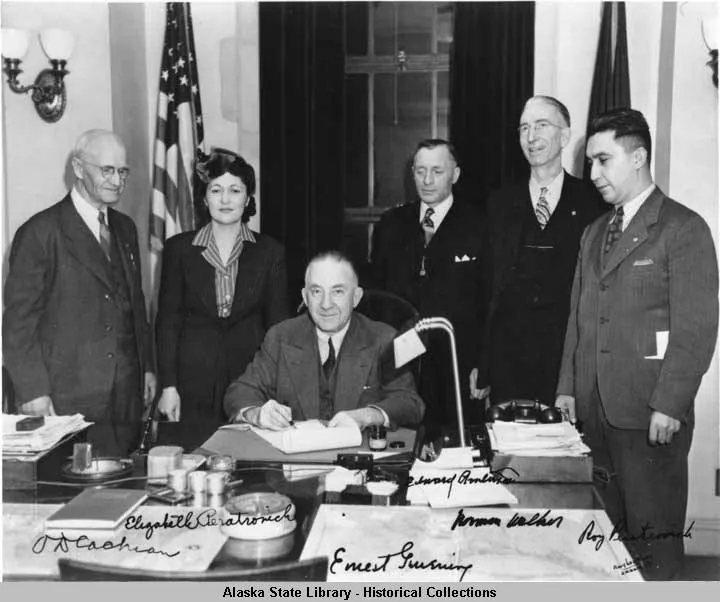
Elizabeth Peratrovich
It turns out that Jim Crow-type restrictions on disfavored communities were not limited to the South: in the Alaska territory, indigenous people were prohibited from public accommodations and schools. But courageous organizations and individuals fought against discrimination ultimately succeeding in having the Nation's first civil rights legislation passed almost two decades before the landmark 1964 Civil Rights Act.
Under 10 Minutes
Under One Hour
Take Your Time
Family & Children
Children’s Book (older elementary and middle)
Fighter in velvet gloves : Alaska civil rights hero Elizabeth... | Arlington Public Library
Children’s Book (older elementary and middle)
Fighter in velvet gloves : Alaska civil rights hero Elizabeth... | Arlington Public Library
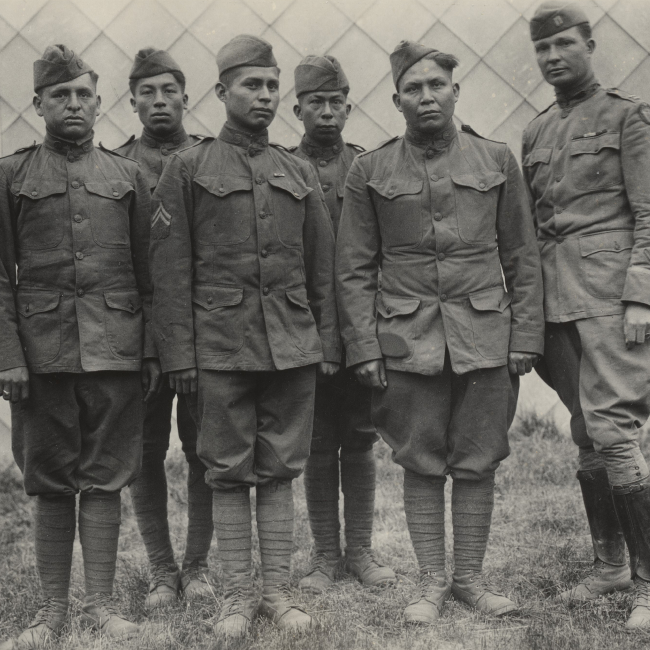
World War I Indigenous Code Talkers
We may be familiar with the Navajo Code Talkers of World War II but did you realize that the military use of indigenous languages began of necessity in WWI? While the Choctaw speakers are the most well-documented, soldiers from the Ho Chunk, Lakota and Sioux, and Eastern Band of Cherokee are known to have preceded them in specific battles.


